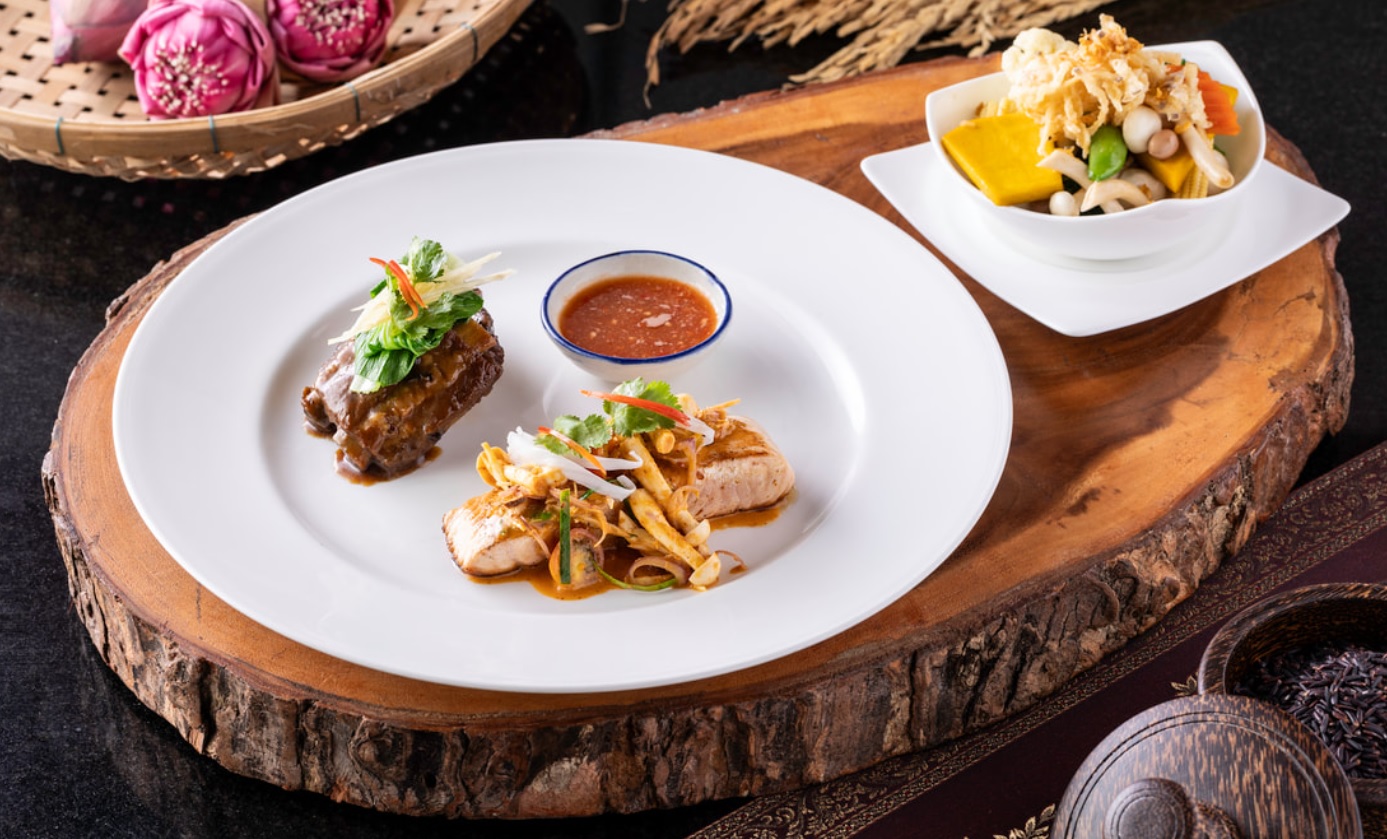
The traditions that shaped the island’s food, and where they still show up today
Most visitors to Koh Samui eat well. What fewer of them realize is that the food they are enjoying has roots that go back long before the restaurants that serve it. The island’s culinary identity was not shaped by chefs or menus. It was shaped by the land, the sea, and the communities that lived closest to both.
The Coconut
Before tourism transformed Koh Samui, coconuts were part of how the island survived. The groves that still line parts of the interior were not decorative. They were the island’s primary crop, and the families who farmed them built their lives around what the coconut could provide. Naturally, they also built their cooking around it. The Coconut Museum, tucked away on the island, tells this story directly, tracing the role the coconut played in everyday Samui life long before the first tourist arrived.
Coconut milk, coconut sugar, and fresh coconut flesh became embedded in the local cuisine at a foundational level, shaping the flavor of dishes in ways that a good cook does not need to think about because they simply know no other way.
 The Sea
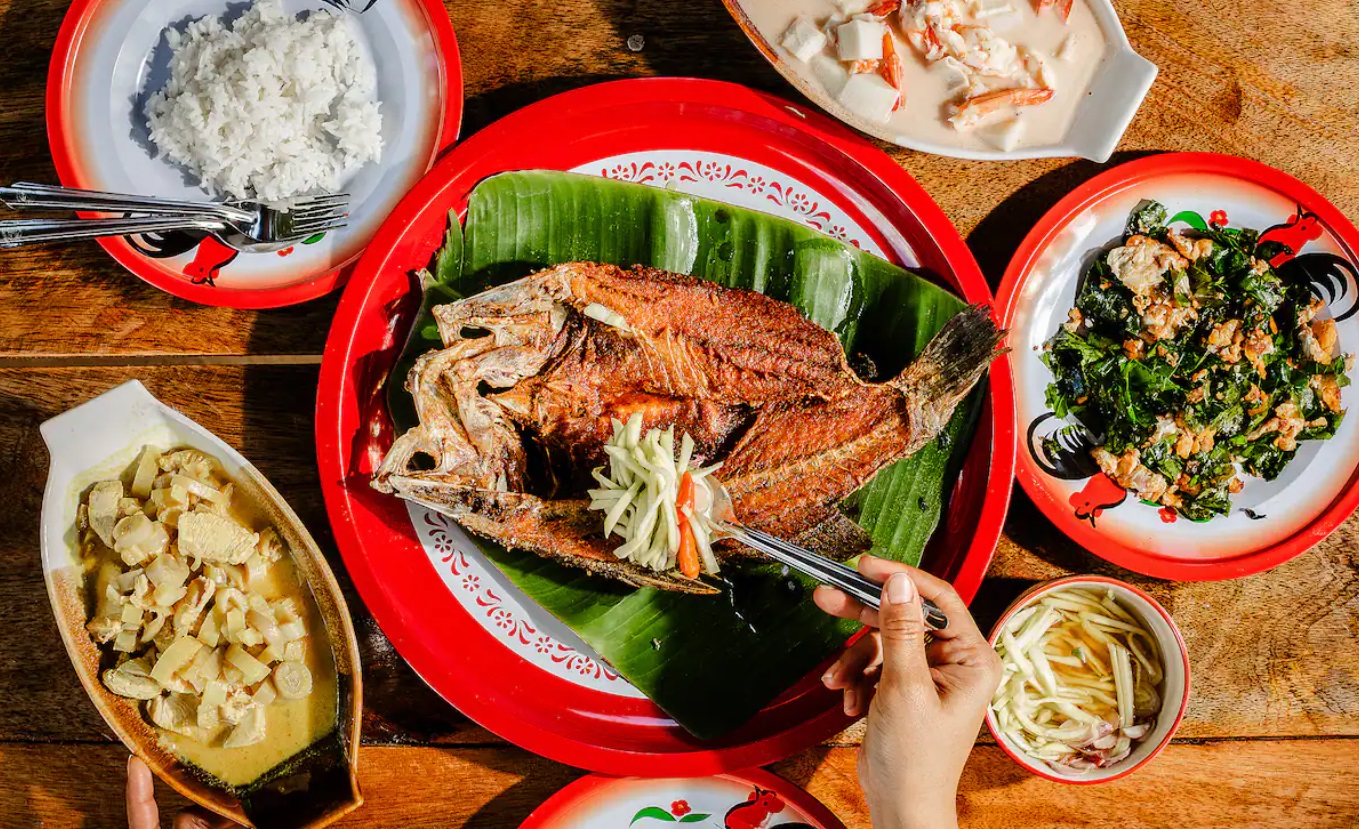
For generations, meals on Koh Samui followed the sea. What fishermen brought back in the morning often decided what was cooked that day. There was no standing menu, no advance planning. Just the catch, the fire, and a few ingredients that had always worked alongside fresh fish. The fishing villages on the quieter parts of the island still carry something of that rhythm, and the seafood served closest to where it was caught tends to be the most honest expression of what the island’s food has always been. That simplicity is still the mark of the island’s best seafood, prepared with very little between the ocean and the plate.
The Chinese Influence
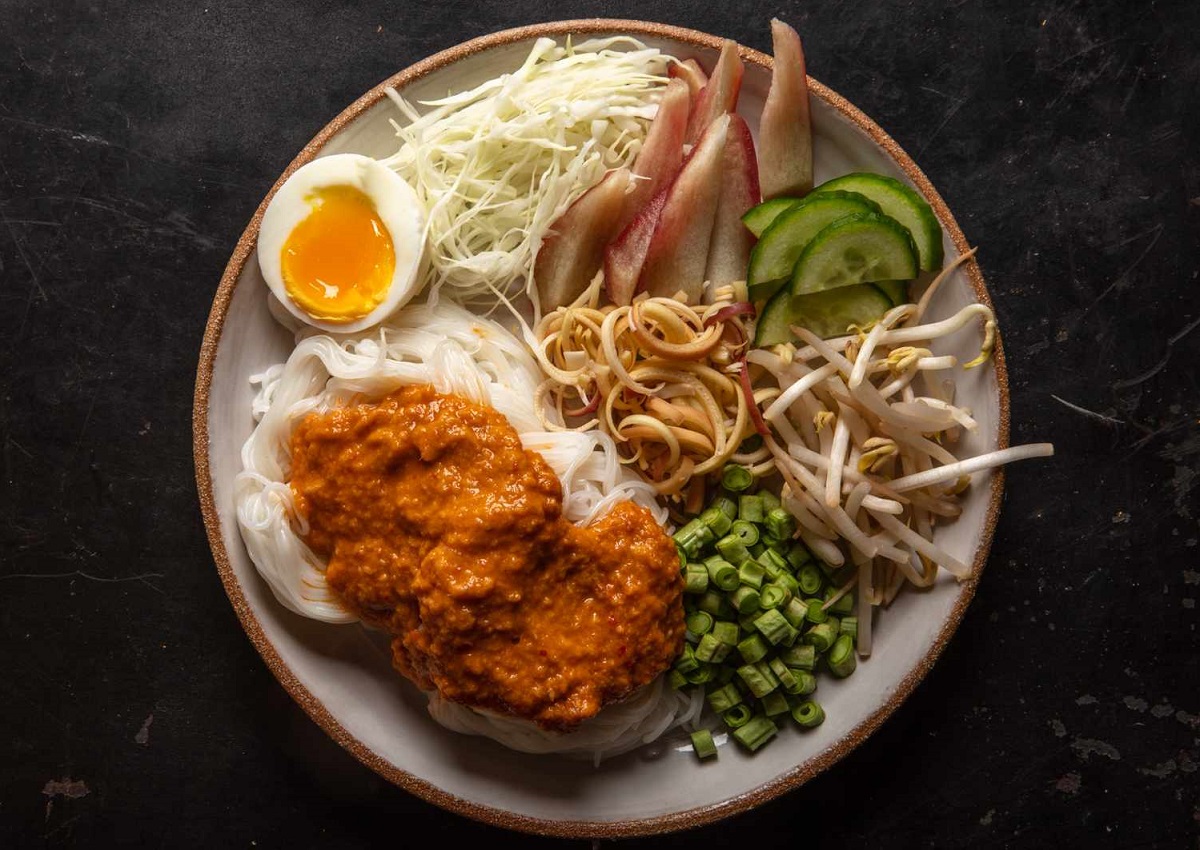
As Chinese communities settled on Koh Samui over generations, their ingredients and cooking methods gradually became part of the island’s own food identity. Certain sauces, particular ways of preparing pork, the slow-braised dishes and fermented condiments that appear in the older parts of Nathon market on any given morning. Khao Tom, the Chinese-influenced rice soup that locals eat for breakfast, is one small example of how completely this influence was absorbed. These are not imports anymore. They are Koh Samui, woven in so thoroughly that most people eating them would not think to ask where they came from.
Where These Traditions Still Show Up
The morning markets in Nathon and along the western coast are where all three of these threads are most visibly alive. The coconut-based curries, the simply prepared seafood, and the Chinese-influenced preparations sit alongside each other without ceremony.
When choosing where to stay in Koh Samui, it is worth considering a villa with a private chef who understands these traditions and shops from the same local markets. That connection can make the food feel much more rooted in the island, rather than simply another polished dining experience.
The best food on Koh Samui does not announce itself. It simply tastes like somewhere specific, and that specificity is what stays with you.
–
Featured Image by Some Koh Samui dishes with coconut-based ingredients – Airbnb